
Marketing | DontSleepGFX
Custom Artwork for Your Music: When It Is Worth It
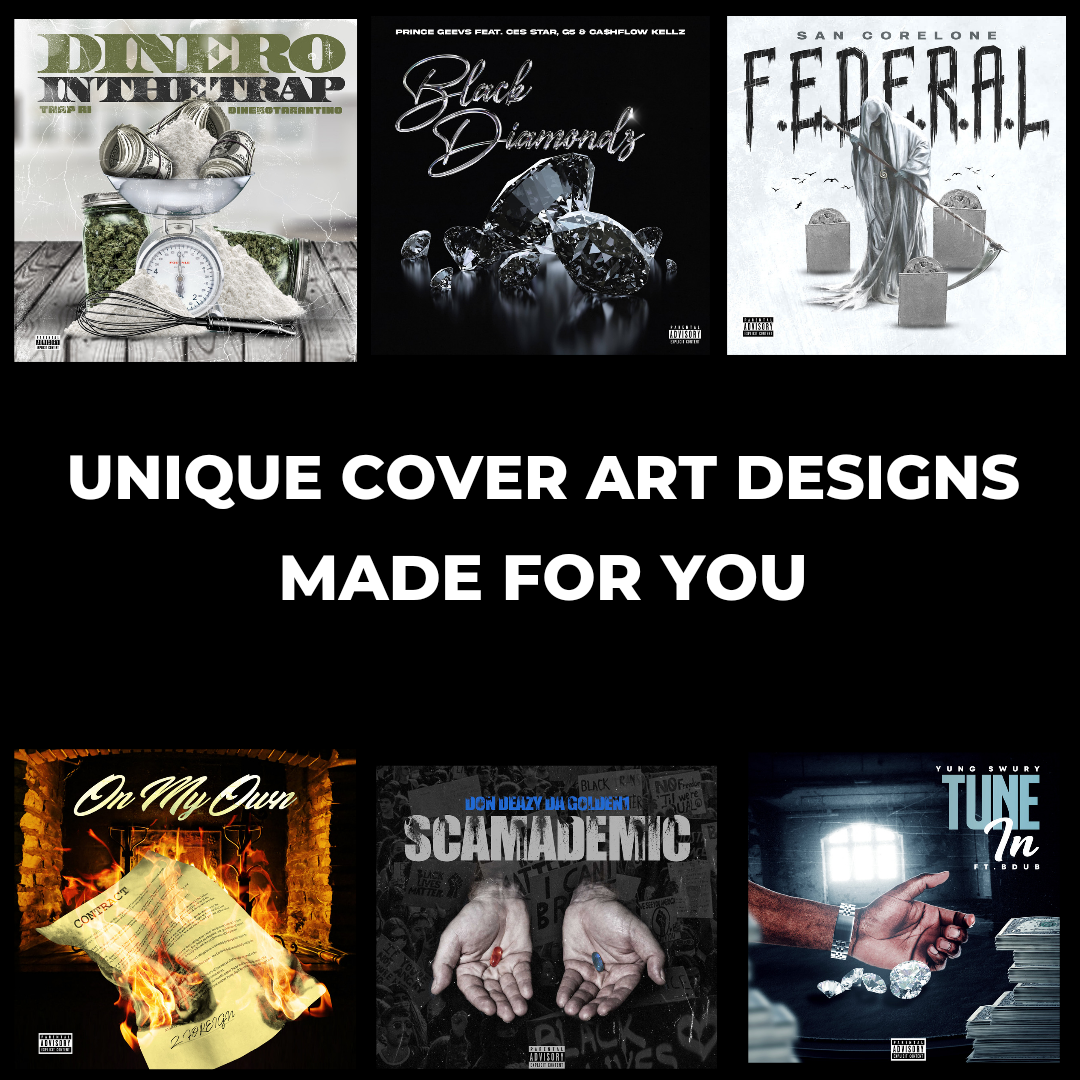
Custom cover art earns its keep when the release needs a real point of view. The strongest custom projects are not just prettier than templates. They give the artist a visual identity that feels specific enough to support the song, the rollout, and the brand around it.
Why this matters
A custom cover is often the first clue that a release was treated with intention instead of patched together at the last minute.
Artists who understand when custom work is worth paying for usually waste less time, avoid weaker revisions, and make cleaner decisions before release week.
Quick Answer
Custom artwork is worth it when an artist needs a one-of-one concept, a clearer brand identity, or a visual that has to carry more weight than a quick single drop. If the release only needs a fast clean cover, a simpler route can be the better move.
The smart question is not whether custom work sounds more impressive. It is whether the release truly needs a visual world that cannot be borrowed from a template or rebuilt cheaply in a rush.
What custom artwork actually buys you
The biggest advantage is direction. Good custom artwork does not just swap in a different photo or preset. It builds around the mood, references, and personality of the record so the final image feels tied to the music instead of sitting next to it by accident.
That usually matters more for artists who are building a catalog, planning a bigger release, or trying to look more established across streaming, press images, and social rollout. In those cases, a stronger visual system can carry into multiple assets instead of solving one square image and stopping there. Shopify’s brand strategy guide is broad, but the useful reminder is that stronger branding works because the visual language stays recognizable from one touchpoint to the next.
- A clearer concept before design work starts.
- More control over styling, typography, and mood.
- A better chance of building recognizable brand language across future releases.
- Less risk of the artwork feeling interchangeable with another artist’s drop.
When custom work is the right move
Custom artwork tends to make the most sense when the music already has a strong personality and the visual side needs to rise to that level. It is also useful when the artist has references, story ideas, styling preferences, or release-world details that are too specific for a drag-and-drop template.
If the release is being pitched seriously, supported by content, or tied to a larger project, custom work can also save money indirectly by preventing a weak cover from dragging everything else down. Redoing the art late usually costs more energy than choosing the stronger route early.
When a faster option might be smarter
Not every release needs a custom concept sprint. If the artist is dropping fast, testing songs, or just needs something clean and presentable by a deadline, the better decision may be a simpler system that still looks professional.
That is where speed matters. A release does not become stronger just because the design process becomes heavier. Sometimes the best call is to keep the artwork focused, readable, and polished without turning it into a full custom production.
How to prepare for a better custom-art result
The strongest custom covers usually start with a better brief. That means sharing the tone of the record, visual references, colors to avoid, text needs, and where the art will appear outside the streaming square.
A vague note like “make it hard” or “make it cinematic” is not enough. Specific reference points help a designer avoid wasted revisions and push the project toward something sharper much faster.
- Describe the emotional tone of the song or project.
- Bring two or three useful reference directions, not twenty random images.
- Decide whether artist name and title need to appear on the cover.
- Share the release date and whether other rollout assets will be needed.
What artists should watch before approving the final file
A custom image still has to work at thumbnail size. Beautiful detail does not help much if the focal point disappears on Spotify. The strongest approval test is still simple: shrink the file and ask whether the mood survives immediately.
It also helps to think beyond the cover itself. If the image looks strong on the single but falls apart when reused in motion, crop variations, or marketing graphics, it may not be carrying enough of the release identity yet.
The better buying question
Artists do better when they stop asking whether custom artwork is more “professional” in the abstract and start asking what problem the art needs to solve. If the problem is speed, choose speed. If the problem is identity, a stronger custom concept often pays off.
That makes the decision cleaner. The release either needs a distinct visual world, or it needs a solid fast cover that does its job without slowing the rollout down.
Need polished artwork without a long custom turnaround?
If the release needs a cleaner cover fast, Covermatic can help you move from loose concept to finished visual with much less friction than a traditional custom process.
Leave a comment: