
Marketing | DontSleepGFX
What Artists Can Learn From a Yo Gotti Open Verse
Open verse contests feel exciting because they concentrate possibility into one small window, but the artists who benefit most usually are not the ones chasing a miracle. They are the ones prepared to turn attention into a stronger overall story.
Why this matters
A contest attached to a major artist can create instant urgency. Suddenly everyone wants to record faster, post faster, and imagine what happens if the right person notices the clip. That energy is real, but it can also be misleading. If the only goal is getting chosen, most artists will miss the more durable lesson hiding inside the moment.
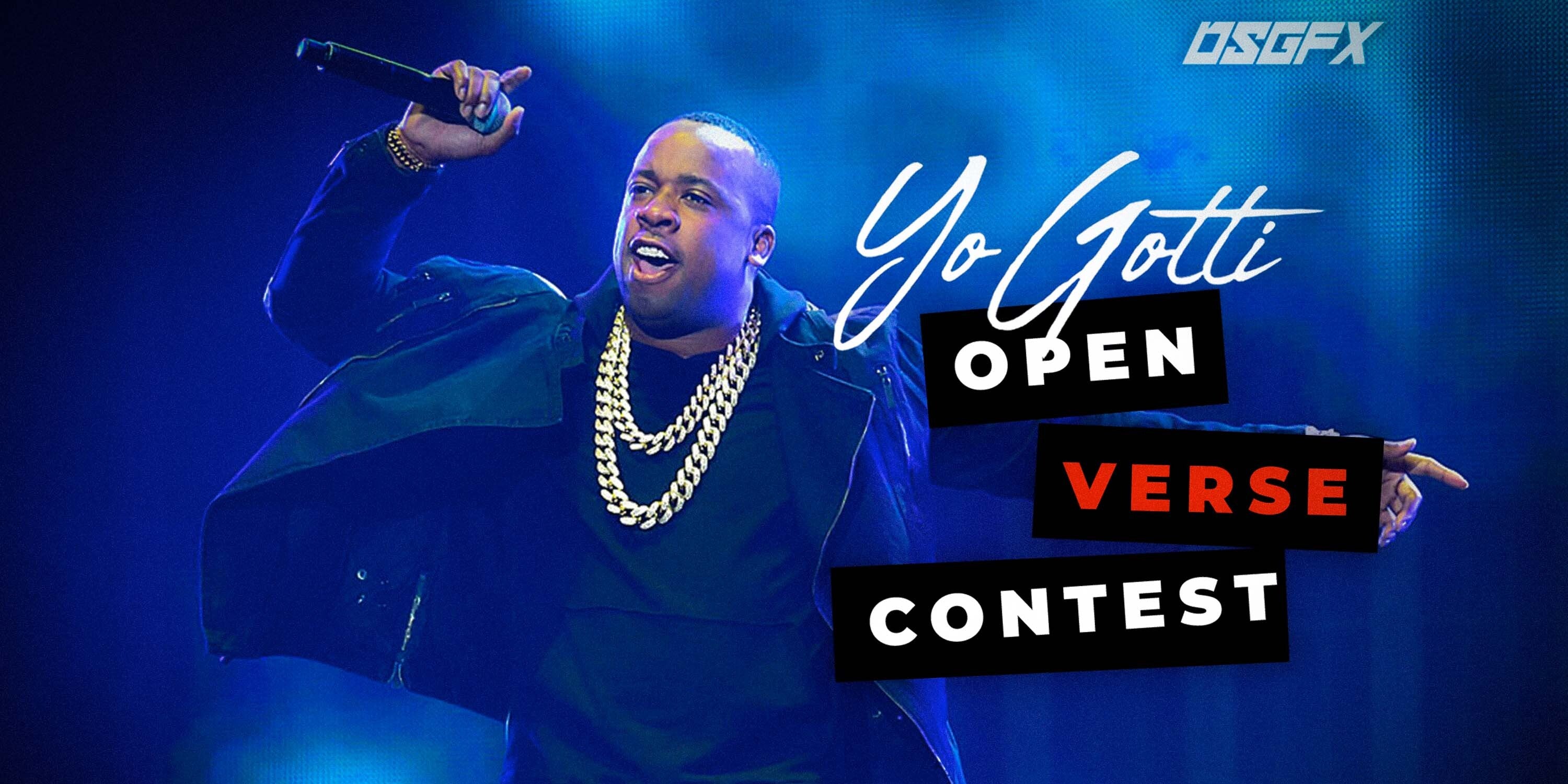
A Yo Gotti open verse is useful because it exposes how ready an artist is for discovery. It tests writing, performance, editing, visual presentation, and profile quality all at once. Even if the organizer never responds, the process can still be valuable if the artist uses it to improve the parts of the career that a new listener would see first.
At a glance
Treat the contest like a pressure test. If your verse lands and people click through, the rest of your release identity needs to hold up too.
The real opportunity is readiness, not validation
Open verse culture is powerful because it gives artists a deadline and a reason to focus. For one short moment, the assignment is simple: sound undeniable and make a stranger care quickly. That is a healthy challenge. It forces artists to tighten the writing, get to the point faster, and think about what part of their voice actually stands out when listeners know nothing else about them.
The trouble starts when artists treat the whole exercise like a lottery ticket. If the verse only matters in the event of a win, then most of the value disappears immediately. A smarter approach is to see the clip as a piece of high-pressure content that should still help your own catalog even if the host never reposts it. The point is not only to impress Yo Gotti. The point is to make anyone who discovers the clip curious enough to look deeper.
That mindset changes how you prepare. Instead of asking only whether the verse is hard enough, you start asking whether the artist behind the verse looks ready for a second click. That is where the long-term benefit lives.
Why packaging matters almost as much as the bars
In a perfect world the verse would carry everything. In the real one, people judge the entire presentation in seconds. The audio quality, camera framing, lighting, caption, and profile all affect whether the clip feels serious. A sharp performance inside a lazy presentation often gets scrolled past before the writing has a chance to land.
That does not mean you need a giant budget. It means you should remove obvious reasons for people to lose confidence. Make sure the vocal is clear. Open on energy instead of wasting the first seconds. Record in a space that is not fighting the performance. Trim the clip so the strongest line arrives early. These are small decisions, but together they separate a memorable post from background noise.
It also helps to think about the post as part of a profile experience. If someone taps through after hearing the verse, the pinned content, recent thumbnails, and current release cover should all suggest the same artist. The cleaner that handoff feels, the easier it is for a curiosity click to become a follow, a save, or a stream.
The same rule applies when people leave the clip and check your pages. If the artwork, profile pictures, and release covers look disconnected or unfinished, the momentum breaks. That is why cover art that earns the click matters even in a contest moment. Discovery rarely ends on the platform where it started.
Use the contest to strengthen your own release funnel without sounding desperate
A good contest entry should fit inside your broader release life, not blow it up. If recording the clip makes your own rollout more disorganized, the contest already cost too much. The better move is to create the entry in a way that also gives you reusable content: a Reel, a Short, a pinned performance post, or a teaser that can warm people up for your next song.
That follow-through matters because borrowed attention fades quickly. If a strong clip sends people to a silent profile or to a catalog with no clear recent activity, the moment ends there. If it sends them to a page that feels active, visually coherent, and easy to navigate, the contest becomes a useful introduction rather than a one-day spike.
Artists should also decide in advance what the next step is for a new visitor. Maybe it is the latest single, maybe it is the artist page, maybe it is a short highlight reel that quickly explains the sound. When that next move is already prepared, the contest traffic has somewhere meaningful to go instead of scattering across disconnected posts.
That preparation is what keeps the contest from hijacking your identity. Instead of looking like an artist who only appears when someone bigger creates an opportunity, you keep looking like an artist with an active release life that simply knows how to use the moment well.
Artists who need help tightening that path should review how to make a rollout feel bigger than the budget and why direct audience contact still matters. The contest should create interest, not confusion.
What first-party platform guidance can improve quickly
Contest posts usually live or die on the strength of short-form distribution, so it makes sense to use the platforms’ own guidance when cleaning up the mechanics. Instagram Creators offers practical direction on content format and creative best practices. YouTube Shorts help explains how Shorts are handled and surfaced. TikTok’s creation help covers the tools and posting basics artists can use to tighten delivery.
None of those resources will write the verse for you, but they can eliminate avoidable technical mistakes. Artists lose a surprising amount of traction through simple issues like cramped captions, weak framing, or clips that take too long to reveal the point. Those are fixable problems.
The advantage of using first-party guidance is that it keeps your improvements grounded in how the platforms actually behave instead of how people on the timeline guess they behave. That makes the contest content more useful even after the original moment passes.
How to evaluate the response even if you never win
One of the best reasons to participate is that a contest entry produces feedback under real conditions. Which bar do people quote back? Which comment shows they understood your angle immediately? Which part of the clip gets replayed or shared? Those signals tell you something about what is translating, and they are often more actionable than waiting for a single gatekeeper decision.
That is why a contest can function like live market research. It reveals whether your delivery is landing fast enough, whether the visuals support the record, and whether your audience can explain your appeal back to you in plain language. Artists who pay attention to those signals can improve their next release with much more precision.
Watch the practical metrics too. Did the clip lead to profile visits, follows, saves, or comments that mention a specific lyric? Those actions tell you more than raw views alone. The strongest takeaway is usually not that the contest host noticed you. It is that regular listeners showed you which parts of your presentation made them want more.
Winning is great if it happens. Learning how people react to your work at scroll speed is useful either way. The artist who studies the response leaves with an advantage that outlasts the contest itself.
A better way to prepare for the next open verse moment
The next time an open verse opportunity appears, prepare like someone expecting discovery, not like someone begging for rescue. Have recent music ready, have the profile cleaned up, have at least one strong visual path people can follow, and make sure your newest release looks like it belongs in a serious catalog. That preparation raises the value of every attention spike, whether it comes from a repost, a duet, a comment, or a new listener who wanders in on their own.
It also helps to keep reusable assets ready in advance. A clean bio, updated profile images, short link hub, and recent highlight clip can all make the moment easier to capitalize on when it comes fast. Contest culture rewards artists who can respond quickly without looking rushed.
If the visual side still feels weak, fix it before the moment arrives. Covermatic can help artists build cleaner cover art and release assets fast enough to support those windows instead of missing them. Strong music deserves a profile that looks ready for opportunity.
The takeaway is simple: open verse moments are most useful when they make you more prepared for the attention you want, not more dependent on the approval you hope for.